
RioDatos Blog
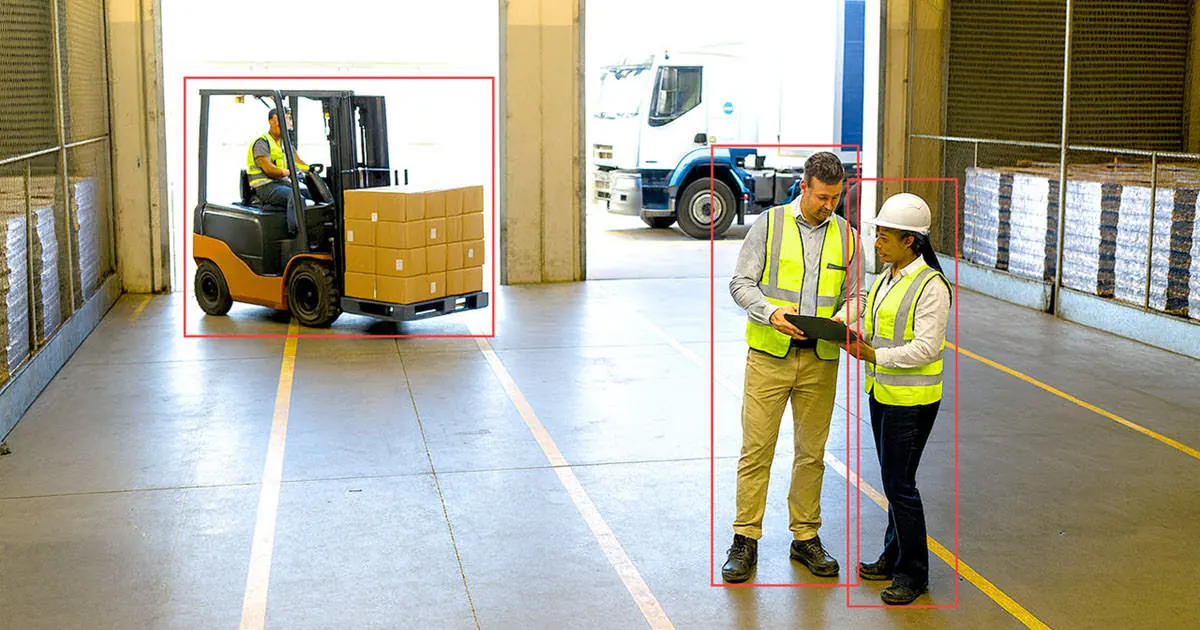
Loading Dock Safety With CCTV AI: Where Near Misses Hide
November 11, 2026 • John Buttery, CEO of RioDatos
The busiest few square meters in your building produce the near misses nobody writes down.
The Dock Is Where Everything Meets
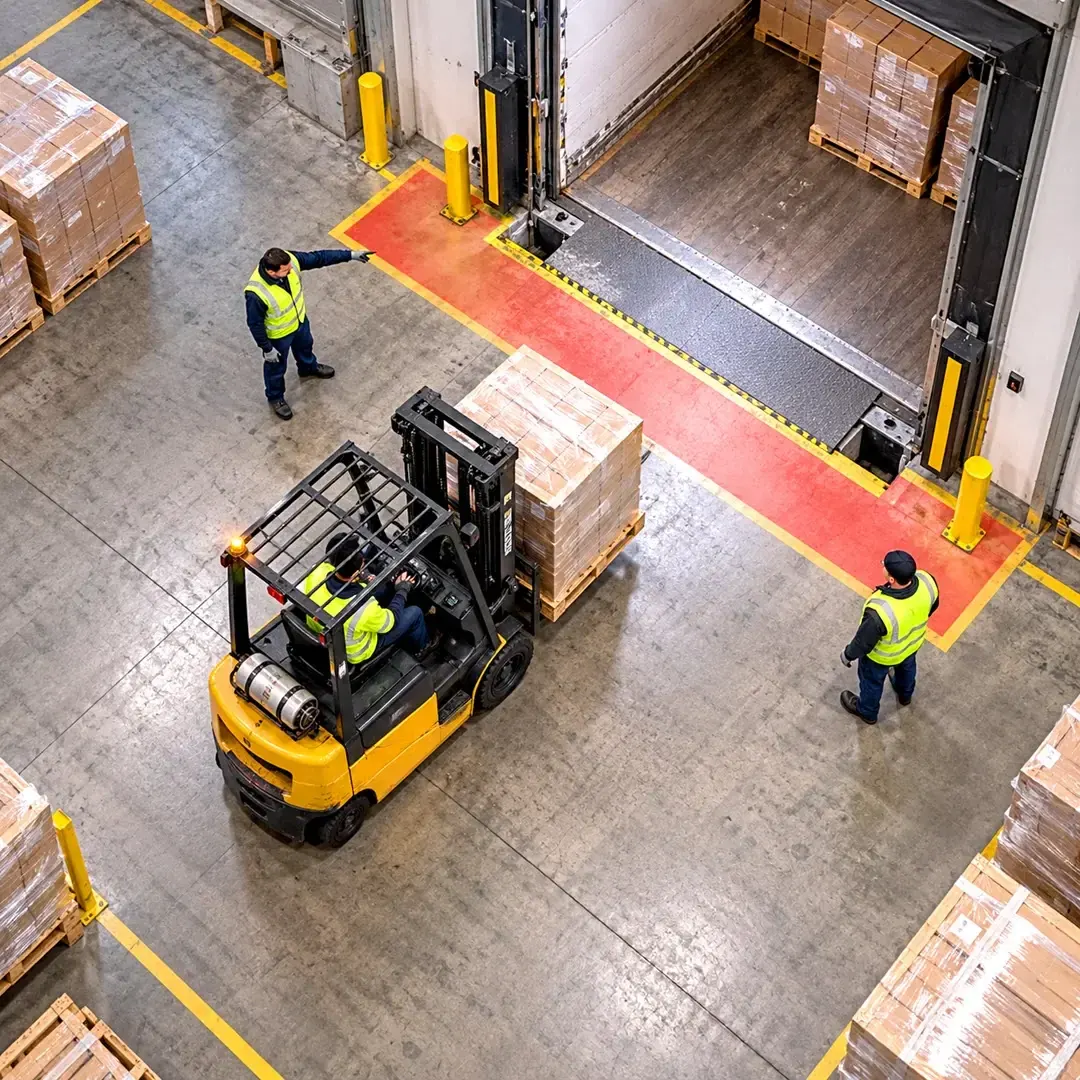
Forklifts, pallet jacks, truck drivers, checkers and temporary labor all work the same few square meters, on a clock. Trailer doors limit sightlines. Staging lanes fill up. People take the shortest route to a paperwork window or a restroom. That is why so many close calls happen at the dock.
The Near Misses Nobody Reports
- A driver walking behind a forklift loading their own trailer.
- A checker stepping into a staging lane to scan a label.
- A forklift speeding down an empty lane between loads.
- Someone without a vest in the vehicle area at night.
- A shortcut between two dock doors that everyone uses.
Each one ends without harm most of the time. That is exactly why nobody writes it up.
What CCTV AI Watches at the Dock
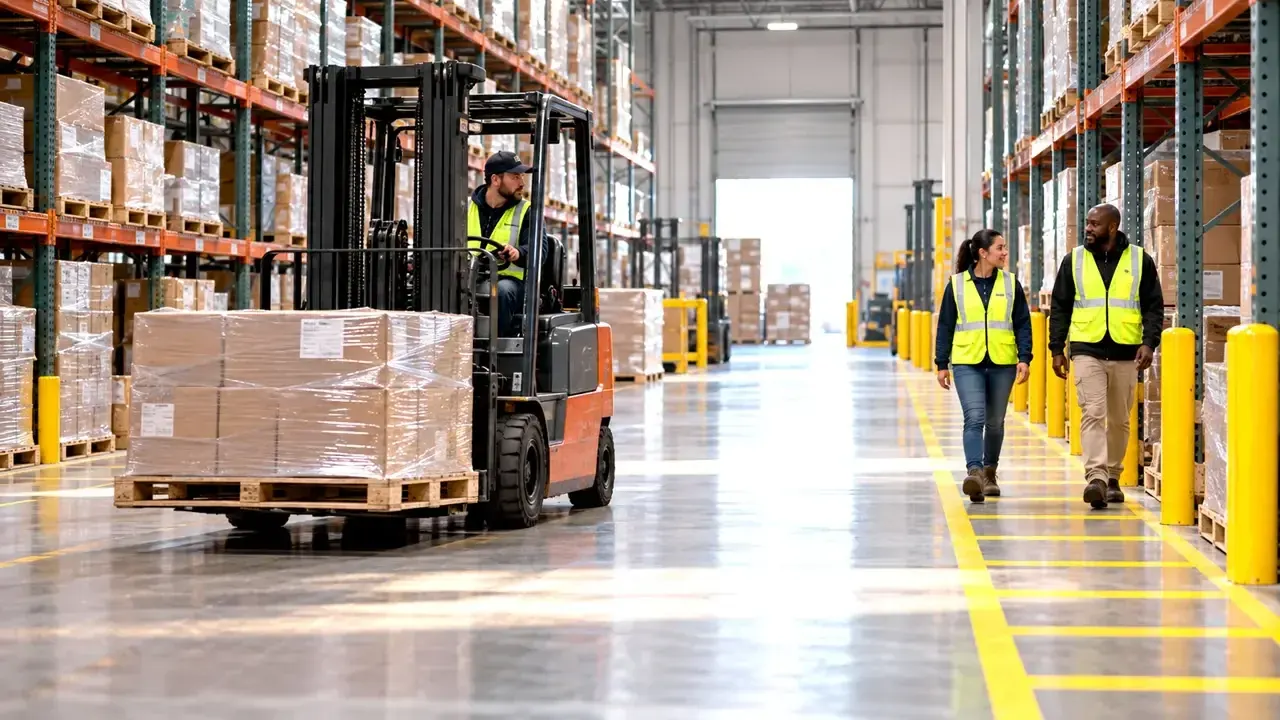
- Loading and unloading zones: people clear of the area while a trailer is being worked.
- Pedestrian-forklift proximity: close calls in staging lanes and at door openings.
- Speed: limits set for the dock area, separate from main aisles.
- PPE: hi-vis vests in vehicle areas, including for visiting drivers.
- Unsafe interactions between vehicles, pedestrians and equipment during loading and unloading.
Fixes the Data Usually Points To
- A marked, protected walk route for drivers to the shipping window.
- Clear loading zones at each door, with a rule on where drivers wait.
- Stop lines where staging lanes meet the main aisle.
- Shift-start coaching using real clips from that dock.
How inviol Covers the Dock
inviol monitors dock and loading areas for unsafe interactions between vehicles, pedestrians and equipment during high-pressure loading and unloading. It uses the cameras you have, runs detection on site and logs each event with a short clip for coaching.
See warehouse AI safety, cold storage AI safety and the 90-Day CCTV AI Safety Demo.
Frequently Asked Questions
Why are loading docks so risky?
Docks concentrate forklifts, trucks, pallet jacks and people in a small space under time pressure, often with poor sightlines at trailer doors and staging lanes.
What can CCTV AI detect at a dock?
Forklift and pedestrian proximity, people in loading and unloading exclusion zones, speeding in staging lanes, PPE gaps and unsafe interactions between vehicles, people and equipment.
Do dock cameras need to be replaced?
Usually not. Most docks already have cameras for security and shipping disputes, and CCTV AI platforms such as inviol connect to them through RTSP.
What dock fixes does the data usually point to?
Separated walk routes, marked loading zones, stop lines at staging lanes and changes to how drivers and checkers move around trailers.
Request an inviol Demo
See inviol running on footage like yours. Tell us a little about your site and we will reply within one business day with demo times.
No new cameras, no sensors on your forklifts and no long contract to start.