
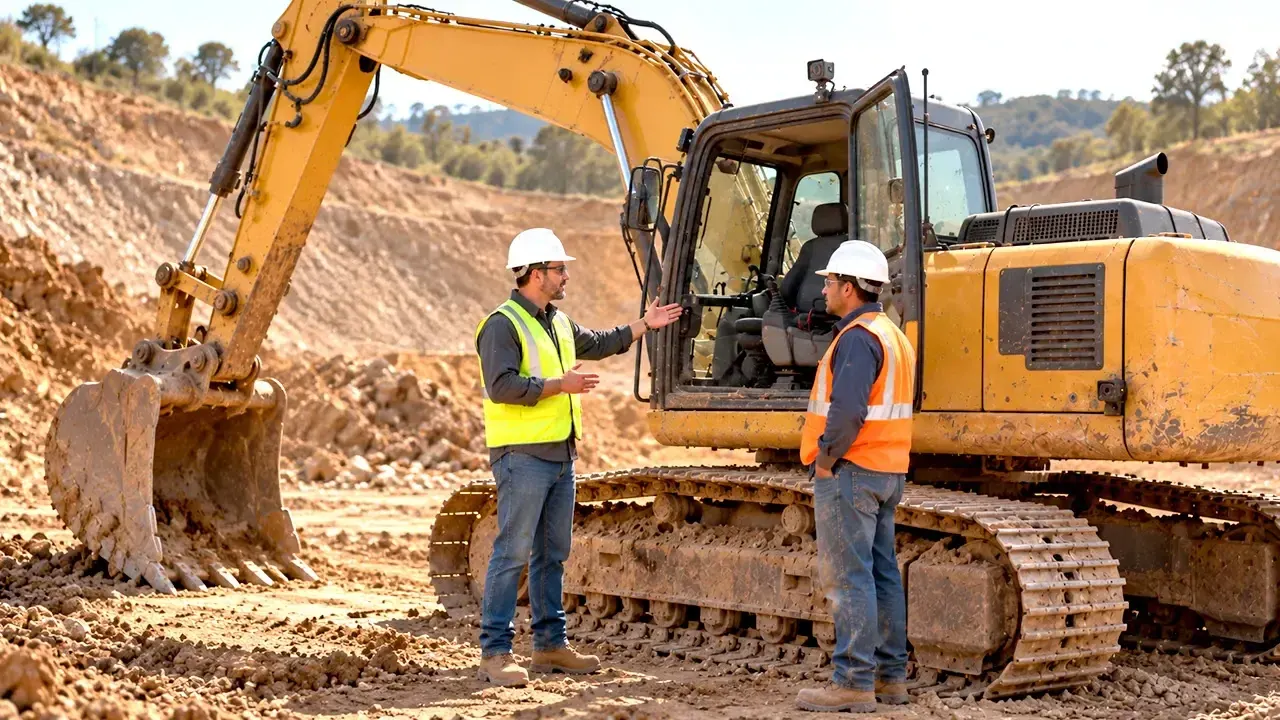
Pedestrian Detection Standards for Heavy Equipment and Forklifts
ISO 21815, ISO 16001, OSHA and MSHA in plain language for EHS and fleet teams.
Standards define the terms, the tests and the risk process buyers use to choose a detection system. This guide summarizes the ones that come up most often when evaluating pedestrian detection.
Standards in Depth
Each guide explains one rule or standard in plain language, paragraph by paragraph, and where pedestrian detection fits.
- OSHA 1910.178: Forklift clear-view, horn, pedestrian training and near-miss refresher rules.
- ANSI/ITSDF B56.1: The forklift design and operating standard and the related B56 family.
- ISO 21815: Collision warning and avoidance on earth-moving and mining machinery.
- MSHA Surface Mobile Equipment: The written safety program and feasible technologies for mines.
Why Pedestrian Detection Standards Matter
In the United States, no general OSHA rule requires camera AI on construction equipment or forklifts. Standards still shape the decision. They give EHS teams a common language for warning versus intervention, a way to test detection performance, and a framework for documenting why a control was chosen.
For mines, the picture is more direct. MSHA requires a written safety program for surface mobile equipment that looks at available technologies and evaluates whether to adopt them.
ISO 21815: Collision Warning and Avoidance
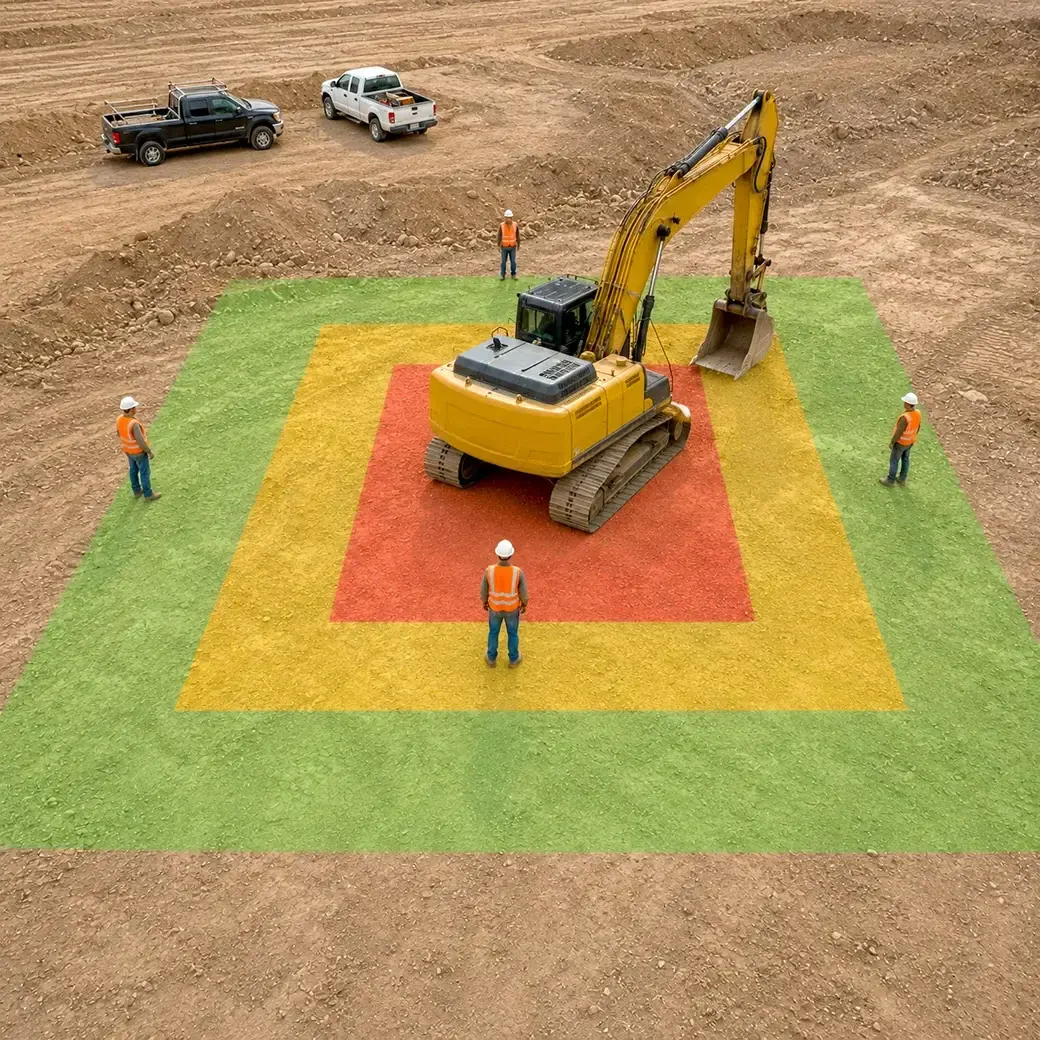
ISO 21815-1:2022 sets general requirements for collision warning and collision avoidance systems on earth-moving machinery, underground mobile mining machinery and road construction machinery.
- It covers detection of objects, warnings to the operator, automatic intervention to avoid collision, and test procedures.
- ISO 21815-3:2023 defines risk areas and risk levels for forward and reverse motion.
- The systems assist the operator. Responsibility for safe operation stays with the operator.
ISO 16001 and ISO 5006: Detection and Visibility
ISO 16001 sets performance requirements and test methods for object detection systems and visibility aids, such as camera systems, on earth-moving machinery. It is the reference for how well a system detects a test object inside its detection zone.
ISO 5006 measures the operator's field of view on earth-moving machinery. A visibility study under ISO 5006 shows where the blind spots are, which tells you where detection and cameras need to look.

OSHA Backup Rules for Construction Equipment
OSHA 29 CFR 1926.601(b)(4) covers motor vehicles on construction sites. When the view to the rear is obstructed, the vehicle needs a reverse signal alarm audible above the surrounding noise, or it can back up only when an observer signals that it is safe.
OSHA 29 CFR 1926.602(a)(9)(ii) applies the same rule to earthmoving and compacting equipment. Pedestrian detection adds a technology layer on top of these minimums.
OSHA 1910.178 and ANSI/ITSDF B56 for Forklifts
OSHA 29 CFR 1910.178 covers powered industrial trucks, including operator training and safe operation. It requires the driver to look in the direction of travel and keep a clear view of the path.
The ANSI/ITSDF B56 series covers forklift design and use. B56.1 applies to low lift and high lift trucks, and B56.6 applies to rough terrain forklift trucks. When a load or the mast blocks the view, detection helps the operator meet the clear-view expectation.
MSHA Surface Mobile Equipment Safety Programs
MSHA published its final rule on safety programs for surface mobile equipment on December 20, 2023, with compliance required by July 17, 2024. The rule sits in 30 CFR Part 56 Subpart T, Part 57 Subpart U and Part 77 Subpart V.
- Each operator needs a written program that identifies and analyzes hazards from surface mobile equipment.
- The program must identify currently available and emerging feasible technologies and evaluate whether to adopt them.
- A responsible person evaluates and updates the program.
In underground coal mines, 30 CFR 75.1732 requires proximity detection systems on continuous mining machines.
How Pedestrian Detection Standards Map to RioV360
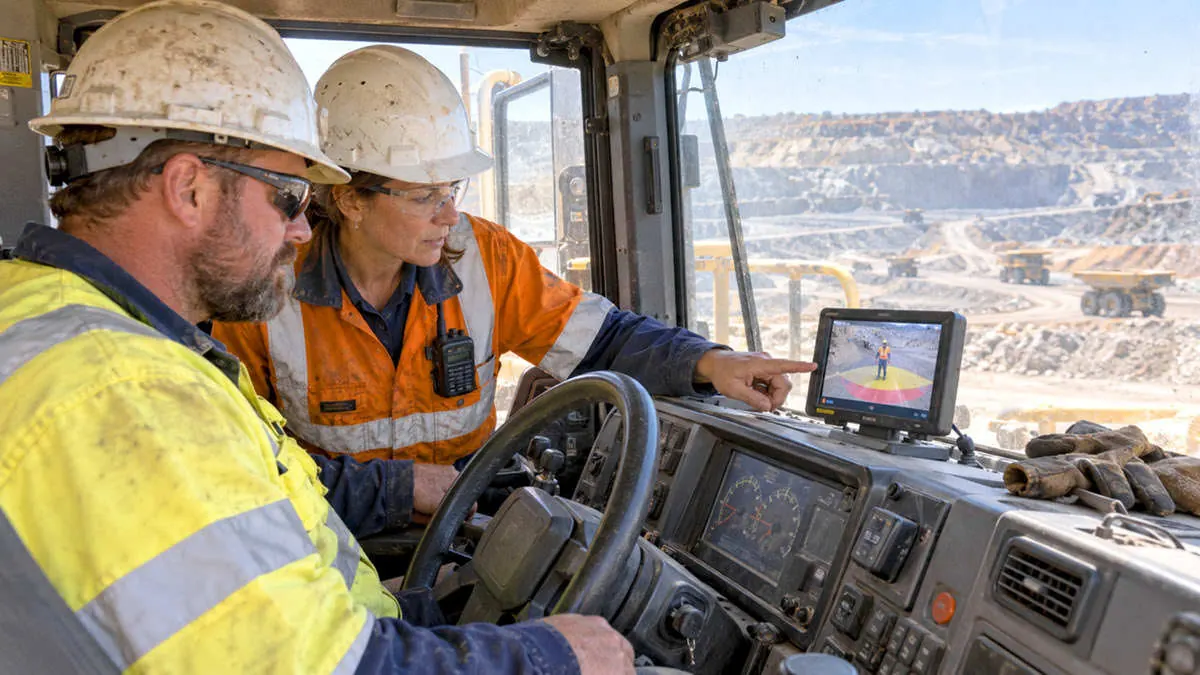
In ISO 21815 terms, RioV360 is a collision warning system. It detects people, vehicles and objects, warns the operator in the cab and warns the worker on foot with a 120 dB beacon. It does not intervene in the machine controls, so it installs on any brand.
For OSHA construction sites, it adds detection on top of reverse alarms and observers. For MSHA programs, it is a documented, feasible technology that operators can evaluate and adopt machine by machine. Onboard video supports incident review in every setting. RioV360 hardware carries CE, FCC, EMC and RoHS markings.
This guide summarizes public standards for planning. Read the current edition of each standard and work with your safety and legal teams on compliance decisions.
Frequently Asked Questions
Does OSHA require pedestrian detection on forklifts?
No specific OSHA rule requires detection technology on forklifts. OSHA 1910.178 requires operator training and safe operation, including a clear view of the path of travel. Many employers add detection as an engineering control in their hazard assessments.
Is a collision warning system the same as collision avoidance?
No. Under ISO 21815, a collision warning system detects and alerts. A collision avoidance system also intervenes by slowing or stopping the machine.
Does MSHA require collision avoidance on surface mobile equipment?
The surface mobile equipment rule requires a written safety program that evaluates available and emerging feasible technologies. It does not name one specific system. Underground coal continuous mining machines require proximity detection under 30 CFR 75.1732.
Which standard covers camera systems on earth-moving machinery?
ISO 16001 covers object detection systems and visibility aids, including camera systems. ISO 5006 covers the operator's field of view.
Which pedestrian detection standards apply to construction backup safety?
OSHA 29 CFR 1926.601(b)(4) for motor vehicles and 1926.602(a)(9)(ii) for earthmoving and compacting equipment. Both require a reverse alarm audible above surrounding noise, or an observer, when the rear view is obstructed.
Get Pricing for Your Fleet
Tell us about your machines and the standards your site works under. Within one business day, we will email pricing and product specs.
Prefer to talk? Call John directly at +1 (520) 501-0602 or email info@riodatos.com.