
RioDatos Blog
Near Miss Reporting With CCTV AI: Leading Indicators
November 11, 2026 • John Buttery, CEO of RioDatos
Most near misses never reach a form. CCTV AI counts them anyway, and that changes what you can manage.
The Bottom of the Safety Triangle
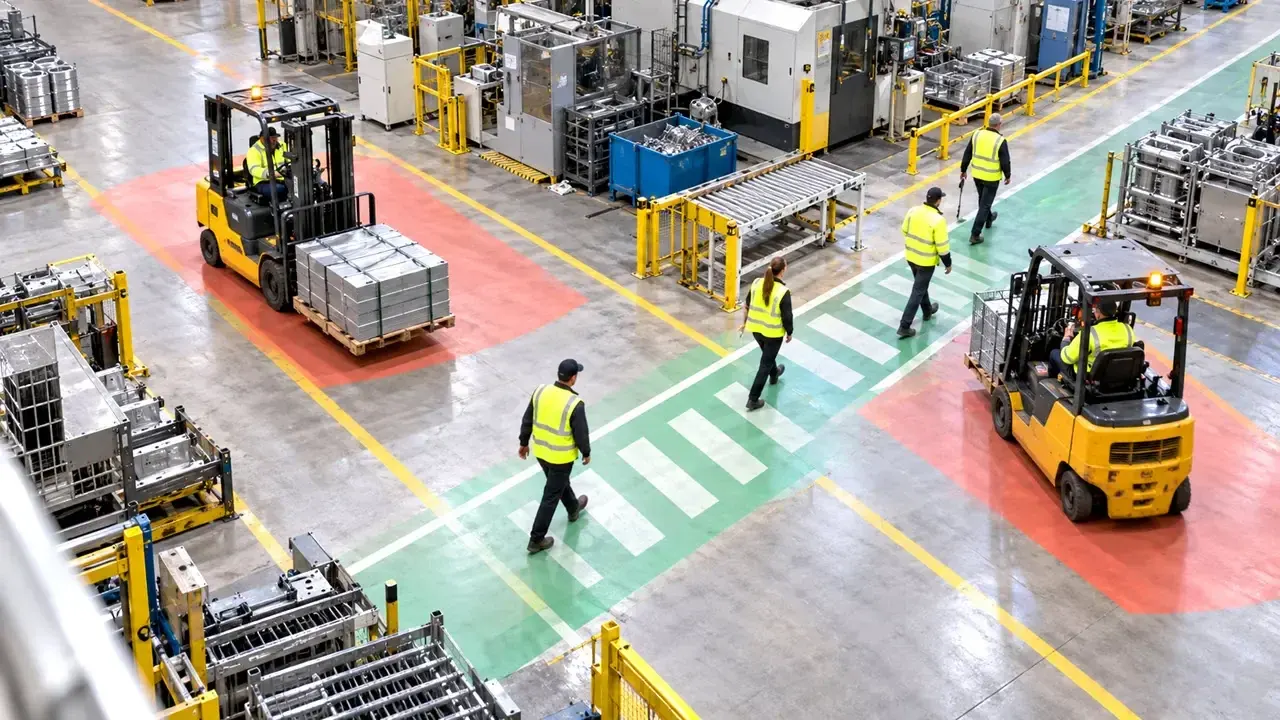
Safety programs have long used the idea of a triangle: a few serious injuries at the top, more minor injuries below, and many near misses and unsafe acts at the base. The base is where prevention lives. It is also the part most programs cannot see.
Paper near miss reporting depends on someone noticing, deciding it matters, and taking time to write it up without fear of blame. Most close calls fail one of those tests.
Lag Indicators vs Lead Indicators
Recordable injuries and lost-time cases are lag indicators. They tell you what already went wrong. Near misses, unsafe behaviors and exposure are lead indicators. They show where the next incident is building. CCTV AI makes lead indicators measurable because events are counted by the camera, not by a form.
What to Measure
- Events by area: which docks, crossings and aisles produce the most close calls.
- Events by shift and hour: shift change and peak shipping windows often stand out.
- Event type mix: proximity, exclusion zone, speed, PPE, manual handling.
- Repeat locations: the same spot week after week points to a layout fix, not a people problem.
- Review and coaching rate: the share of events a supervisor actually reviewed and used.
Expect the Number to Go Up First
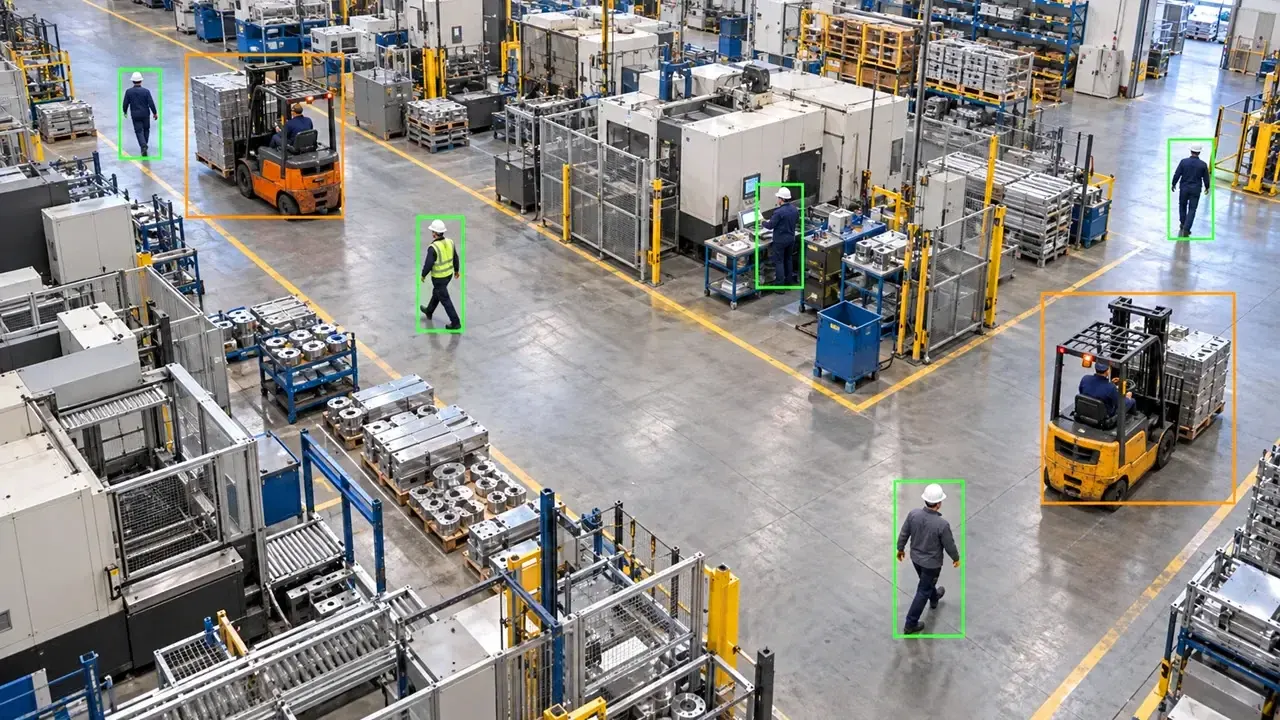
When a site starts counting near misses automatically, the count rises. That is visibility, not decline. Set expectations with leadership before day one: the first month is a baseline, and the trend after coaching and fixes is the result.
Turning Events Into Action
- Review events daily in a short triage.
- Coach the clearest examples with the people involved, faces blurred.
- Use repeat locations to justify barriers, stop lines, mirrors or route changes.
- Report the trend weekly, by area and shift.
How inviol Supports Near Miss Reporting
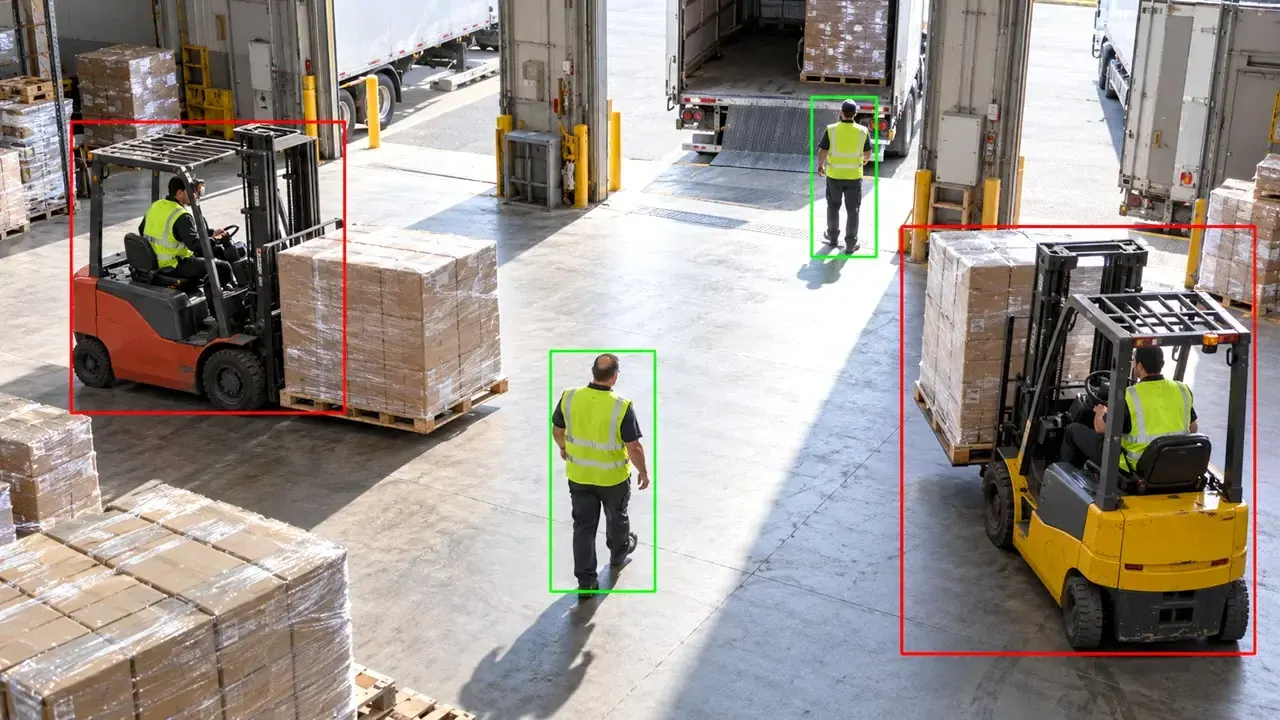
inviol detects near misses on existing CCTV and logs each with a 20 to 30 second clip, a risk rating and context. inviol describes this as working the base of the safety triangle and turning lag indicators into lead indicators, with reporting delivered to your inbox or dashboard.
See forklift near miss detection, video safety coaching and the 90-Day CCTV AI Safety Demo.
Frequently Asked Questions
Why are near misses underreported?
Reporting takes time, people worry about blame, and many close calls are not noticed by anyone who could report them. Most never reach a form.
How does CCTV AI improve near miss reporting?
It detects events automatically on existing cameras and logs each one with a short clip and risk rating, so near misses are counted whether or not anyone files a report.
Which near miss metrics should we track?
Events per area and shift, events per thousand forklift hours, repeat locations, and the share of events reviewed and coached.
Does more near miss data mean we are less safe?
No. A rise in recorded near misses early in a program usually means you are finally seeing them. The trend after coaching is what matters.
Request an inviol Demo
See inviol running on footage like yours. Tell us a little about your site and we will reply within one business day with demo times.
No new cameras, no sensors on your forklifts and no long contract to start.